Colorado Deer: Turning Shrubs into Snacks Since Forever
The Top 5 Deer-Resistant Shrubs for Denver, Colorado: A Complete Guide for
Front Range Gardeners
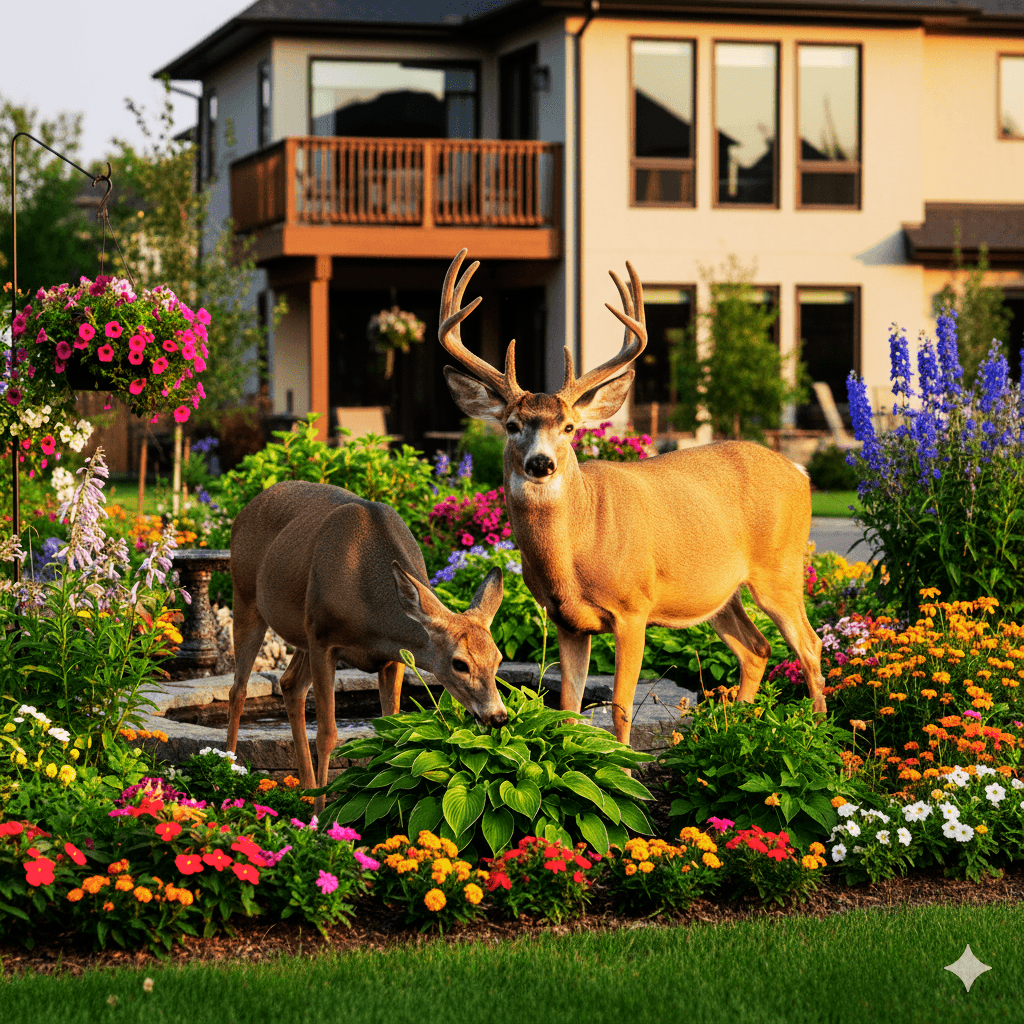
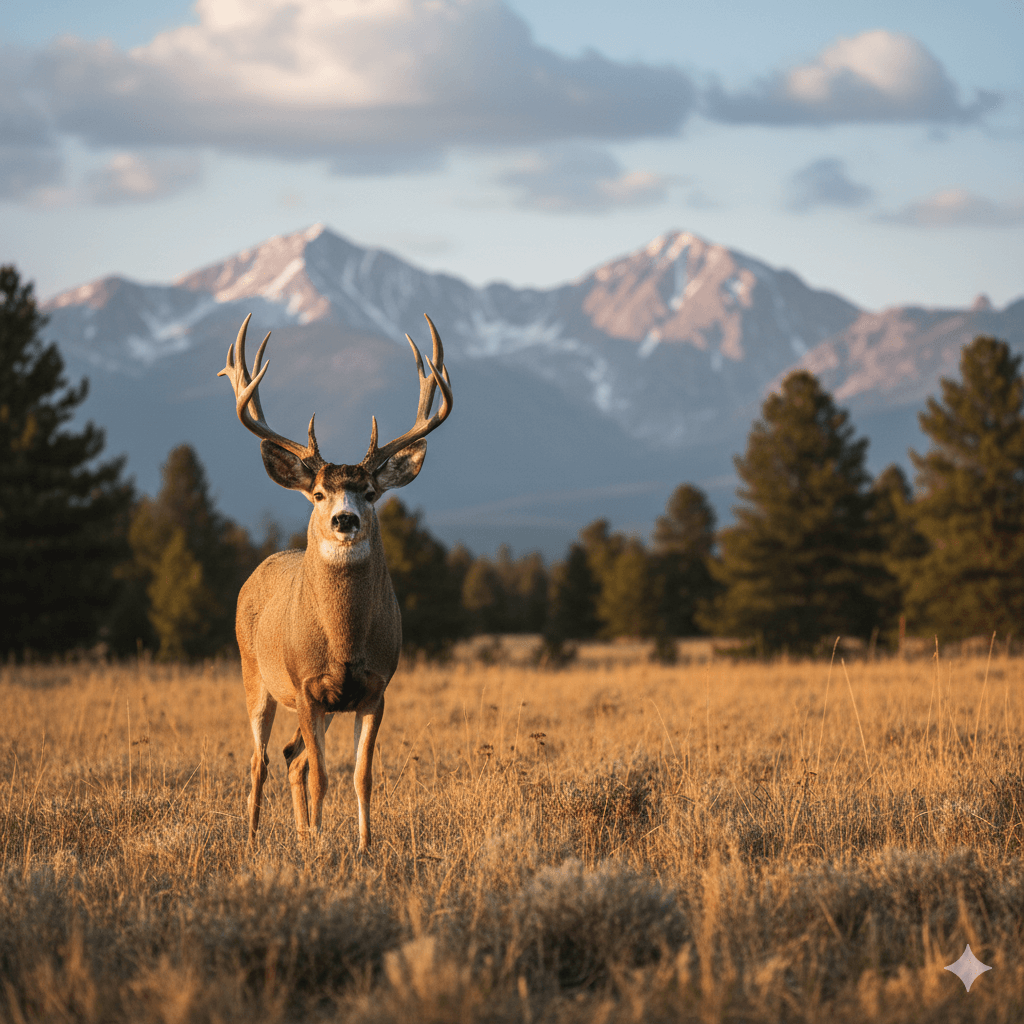
Denver’s beautiful backdrop of foothills, open spaces, and greenbelts makes it a haven for wildlife—and that includes deer. As the metro area continues to blend suburban neighborhoods with natural corridors, it’s increasingly common to find deer wandering through yards in places like Golden, Lakewood, Arvada, Highlands Ranch, and even parts of southeast Denver.
While deer are peaceful and enjoyable to watch, they can be devastating to your landscape. Newly planted shrubs, tender shoots, and lush ornamentals can quickly become deer snacks, leaving your garden chewed down, stressed, or completely destroyed.
The good news? In Denver’s semi-arid environment, there are many shrubs that thrive in our climate and are naturally avoided by deer. By choosing smartly and planting strategically, you can create a landscape that’s both beautiful and resilient—without constantly fighting off browsing wildlife.
This guide explores five exceptional deer-resistant shrubs that are perfectly suited to Denver’s climate (USDA Zones 5b–6a). We’ll cover what makes them deer-resistant, why they work well in our region, how to grow them, and how they fit into modern Colorado landscaping styles, including xeriscaping and native gardening.
Why Grow Deer-Resistant Shrubs in Denver?
Before we dive into the list, it helps to understand what makes Denver unique. The city and surrounding suburbs present several gardening challenges:
1. Semi-Arid Climate
Denver receives only about 15 inches of precipitation per year. Most plants need to be drought-tolerant or xeric to survive without heavy supplemental watering.
2. Intense Sunlight
With more than 300 sunny days per year, many shrubs get scorched or stressed without proper placement or watering.
3. Dramatic Temperature Swings
Spring freezes, sudden windstorms, and unpredictable winter warm-ups can damage less-hardy shrubs.
4. Alkaline Soils
Denver’s soils tend to be clay-heavy and alkaline, which affects nutrient absorption and drainage.
5. Wildlife Pressure
Deer populations along the Front Range have increased, especially near open-space neighborhoods and foothill communities.
Because of these combined pressures, the ideal shrub for Denver must be:
- Drought tolerant
- Cold-hardy
- Adapted to alkaline soil
- Capable of handling full sun
- Naturally unappealing to deer
The five shrubs below check all of these boxes.
1. Potentilla (Dasiphora fruticosa)
A Front Range Favorite for Color, Durability, and Deer Resistance
Potentilla is one of the most reliable, foolproof shrubs for Colorado landscapes. If you’ve driven through Denver suburbs like Centennial, Thornton, or Littleton, you’ve almost certainly seen these cheery shrubs blooming their heads off from spring through fall.
Why Deer Avoid It
Potentilla’s leaves are slightly fuzzy and have a bitter taste. Deer tend to prefer lush, smooth, high-moisture foliage—exactly what Potentilla doesn’t offer.
Why It Thrives in Denver
- Tolerates heat and cold
- Thrives in alkaline soil
- Extremely drought tolerant once established
- Low-maintenance and long-lived
Potentilla can bloom for four to five months, making it one of the longest-blooming shrubs in Denver landscapes.
Best Uses
- Foundation plantings
- Xeriscape borders
- Low hedges
- Mass plantings for seasonal color
Landscape Tip
Pair yellow Potentilla with blue-flowering shrubs or perennials such as Russian sage or blue flax for a high-contrast, Colorado-style color palette.
2. Leadplant / False Indigo (Amorpha fruticosa or Amorpha canescens)
A Hardy Native Shrub with Stunning Blue Flower Spikes
Leadplant is a lesser-known but incredibly valuable shrub for Colorado gardeners who want native, wildlife-friendly plantings with low water requirements.
Why Deer Avoid It
The foliage has a resinous, aromatic quality, which deer dislike. The plant’s texture—soft but somewhat woody—also makes it less appealing for browsing.
Why It Works in Denver
- Native to the Great Plains and foothills
- Naturally adapted to poor, dry soils
- Thrives in full sun and heat
- Attracts bees, butterflies, and native pollinators
- Excellent drought tolerance
Leadplant is especially well suited to neighborhoods near open spaces such as Castle Rock, Highlands Ranch, Parker, Broomfield, and Golden, where deer are common.
Best Uses
- Native wildlife gardens
- Slopes and erosion-prone areas
- Naturalized plantings
- Large xeriscape beds
Landscape Tip
Use Leadplant in combination with ornamental grasses such as little bluestem or blue grama for a soft, prairie-inspired look.
3. Big Sagebrush (Artemisia tridentata)
The Champion of Deer Resistance in Western Gardens
If your priority is absolute deer resistance, sagebrush should be near the top of your list. This highly aromatic shrub is rarely, if ever, eaten by deer.
Why Deer Avoid It
Its strong aroma and bitter, resinous leaves act as a natural deterrent. The foliage has a woolly texture that deer dislike.
Why It Thrives in Denver
- Native throughout Colorado
- Exceptionally drought tolerant
- Handles full sun and reflective heat
- Tolerates poor, rocky, or sandy soils
- Evergreen to semi-evergreen
Sagebrush is a natural choice for Denver xeriscapes, especially in neighborhoods that want a rugged, Western look.
Best Uses
- Xeriscape gardens
- Southwest or desert-style landscapes
- Hillsides and slopes
- Wildlife gardens
Landscape Tip
Pair sagebrush with rabbitbrush, yucca, and agastache for a low-water landscape that feels authentically Western.
4. Fendler’s Ceanothus (Ceanothus fendleri)
A Compact, Tough, Foothills Native Perfect for Small Landscapes
Fendler’s Ceanothus is a lesser-known gem among Colorado natives. Found naturally in the foothills overlooking Denver, it thrives in the same conditions many Denver homeowners struggle with: dry soils, high sun exposure, and fluctuating temperatures.
Why Deer Avoid It
This shrub has spiny or thornlike branches and thick foliage, which makes it physically unpleasant to browse. Deer usually leave it alone even when food is scarce.
Why It Works in Denver
- Native to the Front Range
- Adapted to rocky, fast-draining soils
- Tolerates drought and heat
- Compact size fits modern urban landscapes
- Important plant for native wildlife
Best Uses
- Rock gardens
- Native or naturalized areas
- Dry slopes
- Small space yards
Landscape Tip
Ceanothus works beautifully with gravel mulch, boulders, and other natural elements common in Denver xeriscapes.
5. Desert Bluestar (Amsonia jonesii)
Delicate Beauty with Exceptional Hardiness
Though often classified as a perennial, Desert Bluestar behaves like a small, airy shrub in Denver’s climate. It brings a graceful texture to landscapes without attracting deer.
Why Deer Avoid It
Amsonia species contain a milky sap that deer dislike. The foliage has a texture and taste that make it relatively immune to browsing.
Why It Thrives in Denver
- Handles heat and drought
- Prefers well-drained, rocky soils
- Cold-hardy to Denver winters
- Adds soft texture to plantings
The pale blue star-like flowers appear in late spring and are a favorite of bees and butterflies.
Best Uses
- Xeriscape borders
- Mixed perennial/shrub beds
- Pollinator gardens
- Front yards needing lighter texture
Landscape Tip
Use Desert Bluestar to soften bold architectural plants like yucca or ornamental grasses.
Designing a Deer-Resistant Landscape in Denver
Choosing the right shrubs is just one part of building a landscape that thrives despite deer pressure.
Here are key design strategies for success:
1. Mix Aromatic and Textured Plants
Deer dislike:
- Strong scents (sage, lavender, rosemary-like plants)
- Fuzzy or rough leaves
- Woody, resinous branches
Grouping these plants can create a natural “deer barrier.”
2. Plant in Layers
Shrubs form your middle layer, but they protect:
- Groundcovers
- Newly planted perennials
- Tender spring growth
A multi-layered garden reduces browsing pressure.
3. Reduce Fertilizer
Deer love lush, nitrogen-rich new growth. Over-fertilizing makes plants more appealing, not less.
Choose slow-release or organic fertilizers, or avoid fertilizer altogether for native shrubs.
4. Use Xeric Plants
Most deer-resistant shrubs are naturally drought-tolerant. Xeric landscaping works with Denver’s climate, not against it.
5. Add Physical Deterrents for New Plants
Even deer-resistant shrubs may be nibbled when newly planted.
Protect young shrubs with:
- Temporary fencing
- Mesh guards
- Scent-based repellents
After the first season, most deer-resistant shrubs can stand on their own.
Putting It All Together: A Sample Deer-Resistant Planting Plan
Here’s a simple, attractive design you can use in any Denver front or backyard:
Back Layer (3–5 ft)
- Big Sagebrush
- Leadplant
- Fendler’s Ceanothus
Middle Layer (2–3 ft)
- Potentilla (yellow, white, or pink varieties)
- Blue Mist Spirea (also fairly deer-resistant and xeric)
Front Layer (1–2 ft)
- Desert Bluestar
- Prairie Zinnia
- Pineleaf Penstemon
Accent Plants
- Yucca
- Rabbitbrush
- Ornamental grasses like little bluestem
This combination offers:
- Four seasons of color
- Low water use
- Strong deer resistance
- A true Colorado aesthetic
Final Thoughts: Growing Beautiful, Resilient Gardens in the Denver Area
Living near natural spaces is one of the best parts of being in the Denver metro area—but it also means sharing your landscape with wildlife. By choosing shrubs that are both climate-adapted and naturally deer-resistant, you can create a garden that’s easy to maintain, environmentally responsible, and visually stunning year-round.
The five shrubs in this guide—Potentilla, Leadplant, Big Sagebrush, Fendler’s Ceanothus, and Desert Bluestar—check all the boxes Denver gardeners need:
✔ Drought tolerant
✔ Heat and sun tolerant
✔ Deer resistant
✔ Thrive in Denver’s alkaline soils
✔ Support native pollinators
✔ Fit perfectly into xeriscape and low-water designs
With the right choices, you can enjoy a landscape that survives—and thrives—no matter what Denver’s weather or wildlife throws at it.